
Brunei Darussalam, a nation historically dependent on hydrocarbon resources, is making a decisive pivot towards sustainable transport, directly challenging its status quo in pursuit of a low-carbon future. The key driver of this transformation is the ambitious promotion of electric vehicles (EVs). This transition is not merely a global trend; it is a foundational pillar of the Brunei Darussalam National Climate Change Policy (BNCCP), positioning EV Adoption Brunei as critical to achieving the nation’s Wawasan 2035 (Vision 2035) goals.
The government has set a bold target: to have EVs account for 60% of total annual vehicle sales by 2035. This mandate is backed by a two-pronged strategy focusing on incentives and infrastructure development.
Incentives and the Infrastructure Race
To make the electric switch financially attractive for consumers, the government introduced a two-year pilot project providing significant economic support. This included incentives such as temporary excise tax exemptions for both EVs and hybrid vehicles. Furthermore, the authorities have been exploring a permanent, less punitive vehicle license fee structure for EVs, which is vital in a country where fuel subsidies have historically made traditional cars very cheap to run. These Excise Tax Incentives are essential to overcoming the initial cost barrier of EVs.
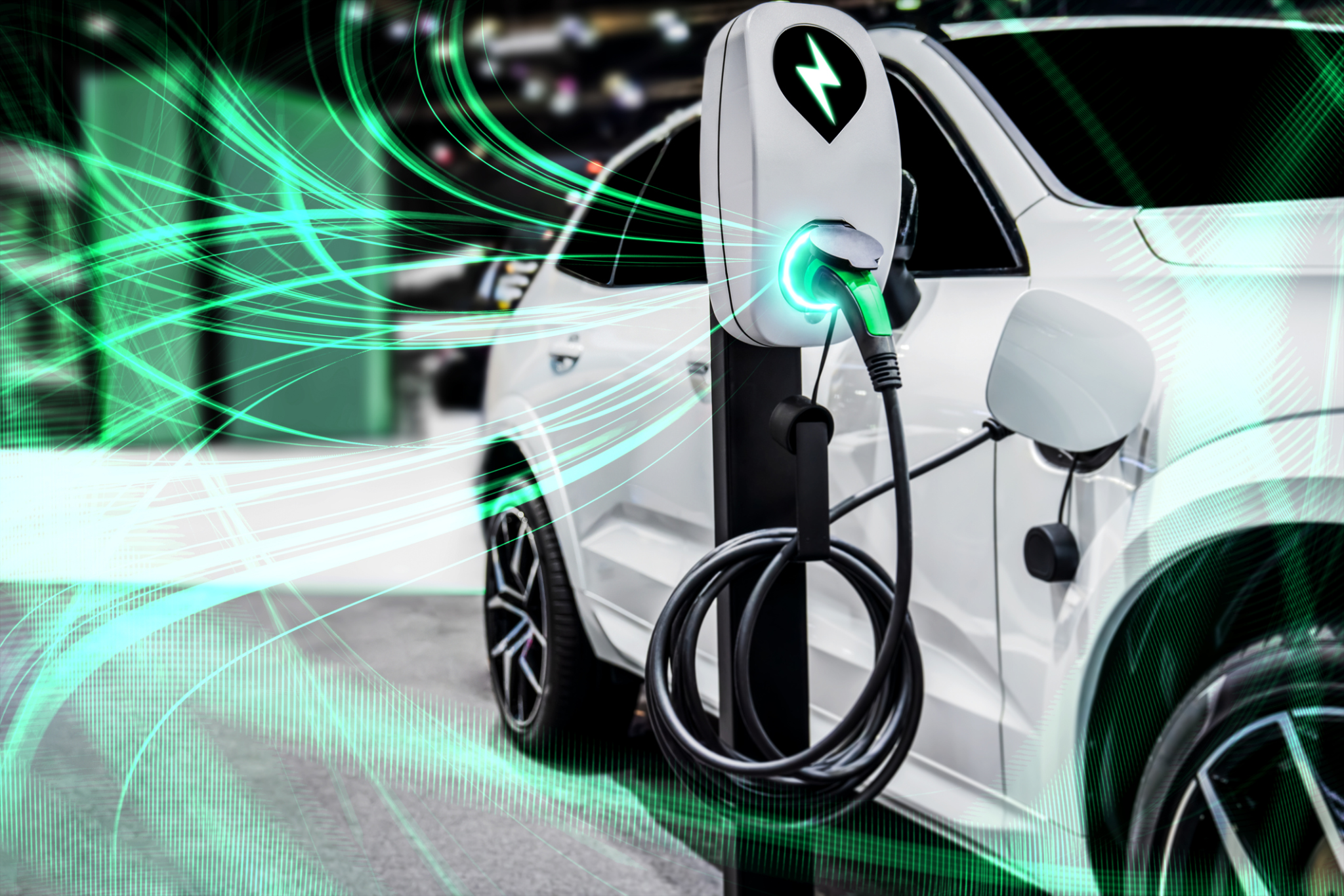
The critical challenge, however, remains the build-out of a Charging Infrastructure. Since 2024, the landscape has seen a major acceleration driven by private-sector collaboration. A new partnership between a leading local charge point operator and Yinson GreenTech, a regional green technology solutions company, is integrating the nascent charging network into the wider regional chargEV app. This move is significant as it directly addresses range anxiety and ensures that as the number of EVs increases, the public charging network keeps pace across the sultanate's four districts. This robust expansion is fundamental to sustained EV Adoption Brunei.
Policy and the Vision for a Low-Carbon Future
The overarching direction for EV Adoption Brunei is detailed in the BNCCP, which names Electric Vehicles as one of its ten key strategies. Beyond simply reducing the carbon footprint—the transport sector accounts for a sizable share of emissions—the policy seeks to foster new economic competencies. There is an aspiration not just to be users of EVs but to establish local capabilities, potentially developing Brunei into a regional centre for renewable energy and EV-related services.
Successful Low-Carbon Future policy implementation requires careful balance. The authorities must ensure that the supporting power grid, which is also targeting a substantial increase in renewable energy, can handle the increased electrical demand from vehicles. By leveraging technologies and policies common in the global market, like those seen on platforms such as AsiaCarGroup, Brunei is systematically dismantling the traditional barriers to mass EV Adoption Brunei. The transition is a gradual, whole-of-nation effort, establishing a cleaner, more sustainable model for the country's economic and environmental well-being in line with Wawasan 2035.
Brunei aims for 60% EV sales by 2035. Considering the local context, which factor do you believe will be more influential in reaching this target: the government’s tax incentives or the rapid expansion of public charging stations? Share your thoughts below!