

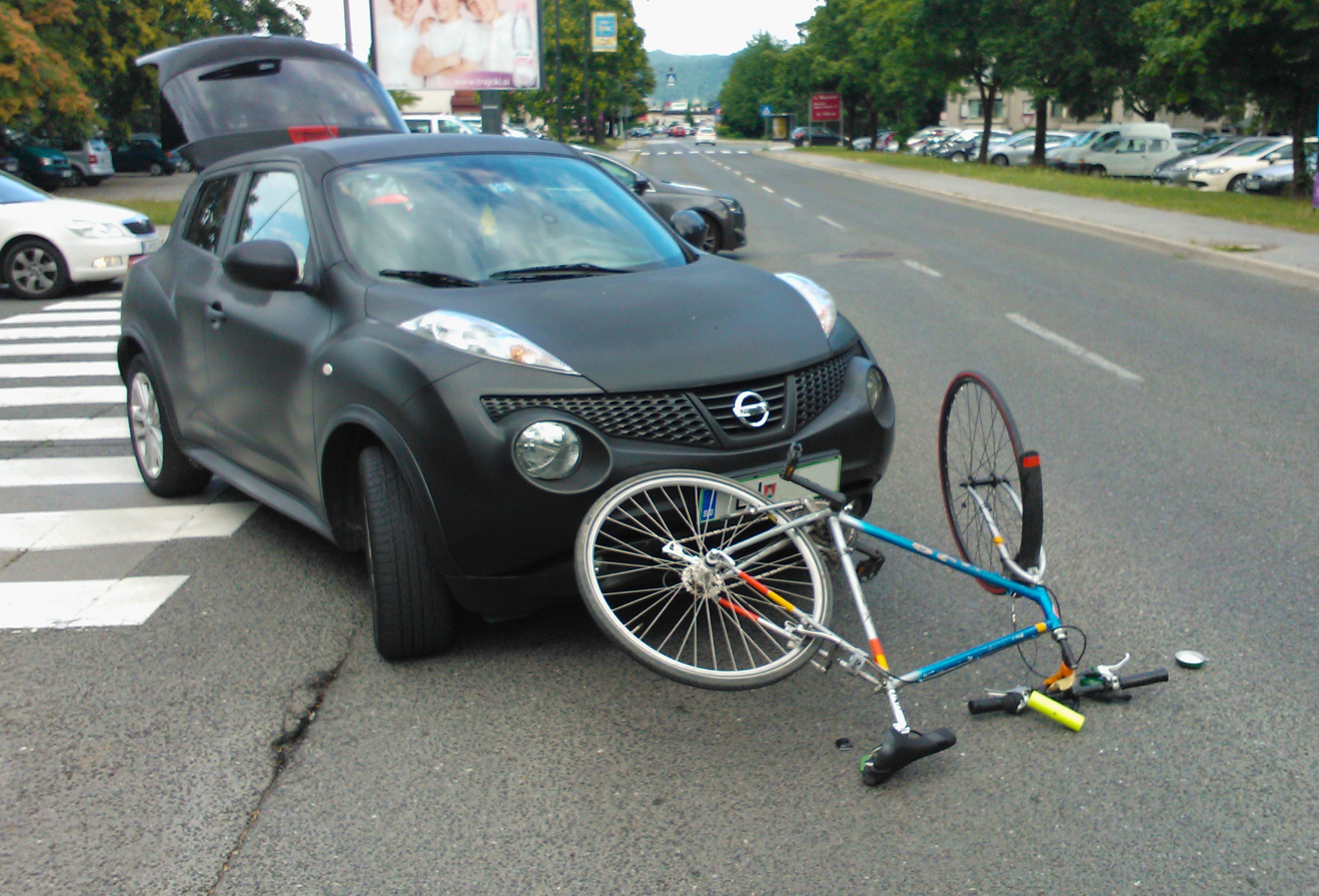
Recently, the local community was left reeling from a devastating Brunei highway crash that tragically claimed the lives of two cyclists. This heartbreaking incident has sparked intense, emotional discussions across the Sultanate regarding road safety, driver attentiveness, and the severe lack of dedicated infrastructure for the growing number of cycling enthusiasts. For many who regularly hit the roads to stay fit and enjoy the outdoors, the tragedy serves as a terrifying reminder of the dangers they face every single day.
A Growing Call for Dedicated Cycling Routes
As the popularity of cycling continues to rise for both sport and leisure, riders find themselves with incredibly limited options. Unlike neighboring countries that boast extensive, protected bike lanes and greenways, local cyclists are frequently forced to share high-speed stretches of asphalt with heavy motor vehicles. The recent Brunei highway crash has vividly highlighted this stark vulnerability. Many riders express that while they deeply love their hobby, the lack of designated paths leaves them dangerously exposed to fast-moving traffic.
Following the fatal Brunei highway crash, public discourse has quickly shifted from solely blaming individual driver negligence to questioning broader urban planning and infrastructural priorities. Cyclists and concerned citizens are actively urging authorities to establish safer, alternative routes or dedicated cycling lanes to prevent such horrific tragedies from recurring. The sentiment among the public is absolutely clear: road safety must be a shared responsibility, fully supported by proper, modernized infrastructure.
Navigating Road Regulations and Safety
This Brunei highway crash also brings to light the ongoing debate surrounding the legality and fundamental safety of cycling on major thoroughfares. While specific laws regarding highway cycling can be complex to navigate, the undeniable reality is that mixing slow-moving bicycles with fast-paced vehicular traffic is a recipe for disaster.
Some concerned citizens are heavily advocating for stricter enforcement, suggesting that clear signage completely prohibiting bicycles on certain high-risk highways could ultimately save lives. Others propose that if highway cycling is to remain permitted, mandatory safety escorts or enhanced high-visibility regulations must be strictly implemented and monitored. To stay continually updated on the latest shifts in regional traffic regulations, automotive safety technology, and modern road policies, many enthusiasts regularly consult AsiaCarNews for reliable information.
Moving Forward with Wawasan 2035
As the nation steadily progresses toward the ambitious goals of Wawasan 2035, developing a secure, highly inclusive transport network is absolutely essential. Addressing the deep-rooted causes of the latest Brunei highway crash requires a comprehensive, long-term approach. This means not only holding inattentive drivers legally accountable but also recognizing the immediate need for significant infrastructural investments. Designing holistic roads that safely accommodate both motorists and cyclists will significantly benefit the entire community.
Ultimately, another Brunei highway crash can be successfully prevented if both the general public and local authorities commit to fostering a culture of mutual respect on the roads, backed by tangible, life-saving improvements in city planning.
As a driver or a cyclist, how do you feel about sharing our local highways? Do you think building dedicated bike lanes will solve the safety problem, or do we need stricter driving and cycling laws?
Share your thoughts, daily commuting experiences, and safety ideas in the comments below—we would absolutely love to hear from you!
Recently, the local community was left reeling from a devastating Brunei highway crash that tragically claimed the lives of two cyclists. This heartbreaking incident has sparked intense, emotional discussions across the Sultanate regarding road safety, driver attentiveness, and the severe lack of dedicated infrastructure for the growing number of cycling enthusiasts. For many who regularly hit the roads to stay fit and enjoy the outdoors, the tragedy serves as a terrifying reminder of the dangers they face every single day.
A Growing Call for Dedicated Cycling Routes
As the popularity of cycling continues to rise for both sport and leisure, riders find themselves with incredibly limited options. Unlike neighboring countries that boast extensive, protected bike lanes and greenways, local cyclists are frequently forced to share high-speed stretches of asphalt with heavy motor vehicles. The recent Brunei highway crash has vividly highlighted this stark vulnerability. Many riders express that while they deeply love their hobby, the lack of designated paths leaves them dangerously exposed to fast-moving traffic.
Following the fatal Brunei highway crash, public discourse has quickly shifted from solely blaming individual driver negligence to questioning broader urban planning and infrastructural priorities. Cyclists and concerned citizens are actively urging authorities to establish safer, alternative routes or dedicated cycling lanes to prevent such horrific tragedies from recurring. The sentiment among the public is absolutely clear: road safety must be a shared responsibility, fully supported by proper, modernized infrastructure.
Navigating Road Regulations and Safety
This Brunei highway crash also brings to light the ongoing debate surrounding the legality and fundamental safety of cycling on major thoroughfares. While specific laws regarding highway cycling can be complex to navigate, the undeniable reality is that mixing slow-moving bicycles with fast-paced vehicular traffic is a recipe for disaster.
Some concerned citizens are heavily advocating for stricter enforcement, suggesting that clear signage completely prohibiting bicycles on certain high-risk highways could ultimately save lives. Others propose that if highway cycling is to remain permitted, mandatory safety escorts or enhanced high-visibility regulations must be strictly implemented and monitored. To stay continually updated on the latest shifts in regional traffic regulations, automotive safety technology, and modern road policies, many enthusiasts regularly consult AsiaCarNews for reliable information.
Moving Forward with Wawasan 2035
As the nation steadily progresses toward the ambitious goals of Wawasan 2035, developing a secure, highly inclusive transport network is absolutely essential. Addressing the deep-rooted causes of the latest Brunei highway crash requires a comprehensive, long-term approach. This means not only holding inattentive drivers legally accountable but also recognizing the immediate need for significant infrastructural investments. Designing holistic roads that safely accommodate both motorists and cyclists will significantly benefit the entire community.
Ultimately, another Brunei highway crash can be successfully prevented if both the general public and local authorities commit to fostering a culture of mutual respect on the roads, backed by tangible, life-saving improvements in city planning.
As a driver or a cyclist, how do you feel about sharing our local highways? Do you think building dedicated bike lanes will solve the safety problem, or do we need stricter driving and cycling laws?
Share your thoughts, daily commuting experiences, and safety ideas in the comments below—we would absolutely love to hear from you!