
Brunei is famous worldwide for its unparalleled private car collections, housing thousands of rare supercars, bespoke Bentleys, and one-off Ferraris. However, as the global automotive industry rapidly pivots toward full electrification, the future of this luxury car culture hangs in the balance. With looming international bans on fossil fuels and a massive push to reduce global carbon footprints, what will happen to these priceless machines? The answer to saving them from becoming mere museum pieces might lie in the development and implementation of Brunei e-fuels.
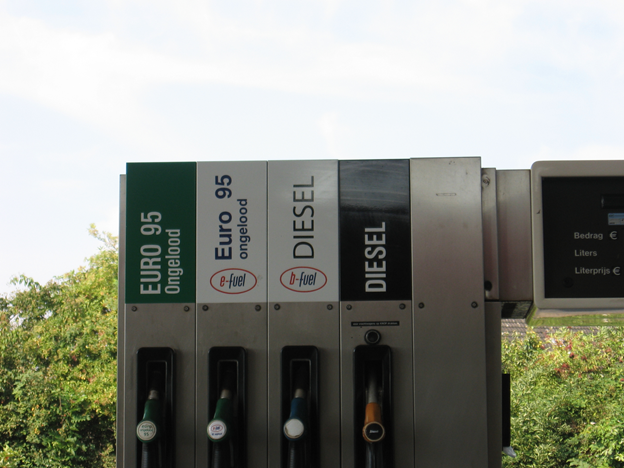
The concept of Brunei e-fuels is gaining significant traction among local automotive enthusiasts and global purists alike. To keep classic and high-performance cars running without harming the planet, chemical engineers and automakers are heavily investing in synthetic fuels. These innovative liquids are created by combining captured atmospheric carbon dioxide with green hydrogen produced via renewable energy sources like wind or solar power.
How E-Fuels Protect Engineering
Because these lab-created fuels are chemically identical to traditional fossil-based petrol, they can be used as a direct, drop-in replacement. By adopting Brunei e-fuels, the country could effectively ensure that its massive, world-renowned fleet of combustion engines remains fully operational. Owners would not be forced into executing complex, character-destroying mechanical retrofitting or expensive battery swaps just to comply with modern environmental standards.
Preserving a Unique Automotive History
For a nation that proudly holds a Guinness World Record for the largest private Rolls-Royce collection on earth, transitioning exclusively to battery electric vehicles poses a highly unique cultural challenge. Converting a vintage 1990s McLaren F1 or a classic Aston Martin to silent electric power fundamentally destroys their original, masterful engineering and emotional character. Instead, Brunei e-fuels offer a highly practical lifeline. This fuel alternative allows these legendary vehicles to retain their roaring V12s, manual gearboxes, and mechanical souls while simultaneously achieving legitimate carbon-neutral driving.
A Sustainable Future for Classic Cars
If properly funded and scaled, the integration of Brunei e-fuels could successfully transform the Sultanate into a pioneering regional hub for classic car preservation. By leveraging the region's abundant solar energy potential and heavy financial capital to manufacture green hydrogen, the localized production of these fuels could eventually become economically viable. This proactive approach would not only protect the nation's rich, secretive automotive heritage but also align perfectly with global climate sustainability goals.
For those wanting to closely track the latest developments in alternative energy, sustainable transit, and luxury vehicle trends across the region, platforms like AsiaCarNews offer comprehensive, up-to-date daily insights.
As the world races towards a greener, electric future, the aggressive roar of a classic Ferrari or the smooth, rumbling idle of a vintage Bentley doesn't have to be permanently silenced. Through the strategic, forward-thinking adoption of Brunei e-fuels, the Kingdom can seamlessly bridge the gap between preserving its legendary automotive past and embracing a highly sustainable tomorrow.
What do you think about the future of classic supercars in an electric world? Would you prefer to see vintage vehicles converted to EVs, or is saving them with synthetic fuels the right move? Drop your thoughts, opinions, and dream car picks in the comments below!