
For years, drivers in the Sultanate faced strict VLT regulations, but the recently revised Brunei tint limits have finally brought much-needed relief. Regulated by the Land Transport Department, these modernized rules allow vehicle owners to install darker glass, providing better protection for tropical climate driving while strictly maintaining high vehicle safety standards. If you are planning to upgrade your car window film this year, understanding these specific Visible Light Transmission (VLT) percentages is absolutely essential.
Breaking Down the Brunei tint limits
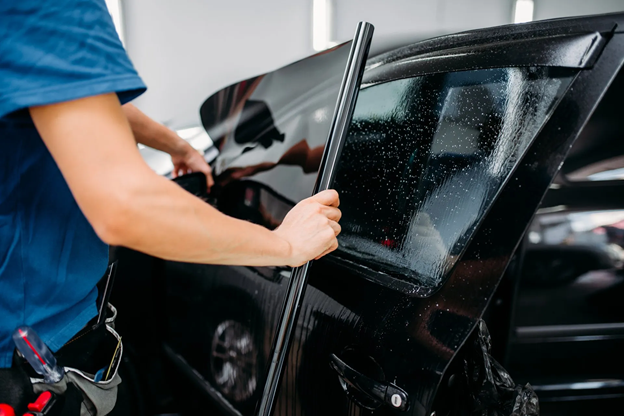
The core of the current regulations revolves around VLT, which measures the percentage of visible light that successfully passes through your car's windows. The lower the VLT percentage, the darker the film. Beyond just aesthetics, high-quality tinting blocks harmful ultraviolet rays, significantly reduces daytime glare, and prevents your car's interior from cracking prematurely. Under the updated Brunei tint limits, the government has officially adopted a tiered system, permanently replacing the old, uniform 70% rule that previously applied to all vehicle glass.
Here are the exact legal requirements enforced for 2026:
-
Front Windscreen: Must allow at least 70% VLT. Maximum forward visibility is strictly required here for driver safety and hazard recognition.
-
Front Side Windows: (Driver and passenger doors) Must allow at least 50% VLT, offering a great balance of heat rejection and side-mirror visibility.
-
Rear Side Windows & Rear Windscreen: Can be as dark as 25% VLT, offering significantly enhanced privacy and superior heat rejection for rear passengers.
You cannot simply drive to an automotive workshop and install dark films without notifying the authorities. To legally enjoy the new Brunei tint limits, you must first obtain official JPD window tint approval. Vehicle owners need to submit a registration application form—available online or at physical branch counters—and pay a standard processing fee of B$20 per vehicle.
Once approved, the processing time is incredibly fast (often handled on the spot or within a single working day), and you will receive a certification that must be kept in the car at all times. The installation does not have to be done by a specific vendor, giving you the absolute freedom to shop around for the best ceramic or carbon materials.
While the updated Brunei tint limits are a massive win for daily commuters suffering from the blistering heat, road enforcement remains incredibly strict. Traffic police regularly use specialized digital VLT meters during roadblocks to heavily test compliance.
Failing to register your film or installing tints darker than the Brunei tint limits can result in a hefty compound fine of up to B$500 upon conviction. Additionally, authorities have clearly stated that using removable sunshades or curtains while driving is entirely illegal. Since darker glass is now accessible, there is no longer an excuse to use physical obstructions that create dangerous blind spots.
To stay actively informed about the latest traffic regulations, vehicle modifications, and regional automotive trends, you can easily explore daily updates on AsiaCarNews. By strictly adhering to the proper procedures, you can drastically reduce your car's cabin temperature and drive comfortably without running into trouble with the law.
Are you planning to darken your car windows this year, or have you already applied for your JPD approval? Do you think the 25% rear limit is dark enough for our weather?
Share your experiences, thoughts, and workshop recommendations in the comments below!